We appreciate this article’s intention to share information about antidepressants for older adults and its attention to common side effects such as weight changes, cardiovascular effects, and drug interactions.
However, one serious risk is not addressed: medication-induced akathisia.
We’re encouraged to see increased awareness of prescribed harm and the growing number of lived experiences being shared: https://prescribed-harm.com/
At MISSD, we have amplified similar stories to improve patient safety and deepen understanding of akathisia and related medication-induced harms.
While MISSD focuses on akathisia, it is not the only form of medication-induced harm that can precipitate suicide. Other serious effects may include post-SSRI sexual dysfunction (PSSD), emotional blunting, and loss of emotional responsiveness.
Adverse drug events are among the leading causes of death, yet remain widely under-recognized. Sharing lived experience helps improve recognition, informed consent, and ultimately—saves lives.
At MISSD, we regularly feature and amplify first-person accounts that illuminate the very real risks of adverse med effects—particularly the torment of akathisia and protracted withdrawal syndromes. Lori Daniels’ latest essay, ‘I Can Barely Breathe: The Journey Continues,’ is one such account. She was entangled in a system amid a circle of misdiagnosis—beginning with a coerced introduction to neuroleptics as a teenager and a cocktail of drugs that treated side effects with more side effects.
Her description of ongoing symptoms (akathisia, dystonia, myoclonic jerks, insomnia, and the sense that ‘breathing’ itself must be redefined) aligns with what countless others have reported when attempting to withdraw from long-term psychiatric drug use. Too often, these symptoms are dismissed or misattributed back to the original ‘disorder.’ We are grateful for voices like Lori’s and her full story that can help reduce these avoidable harms.
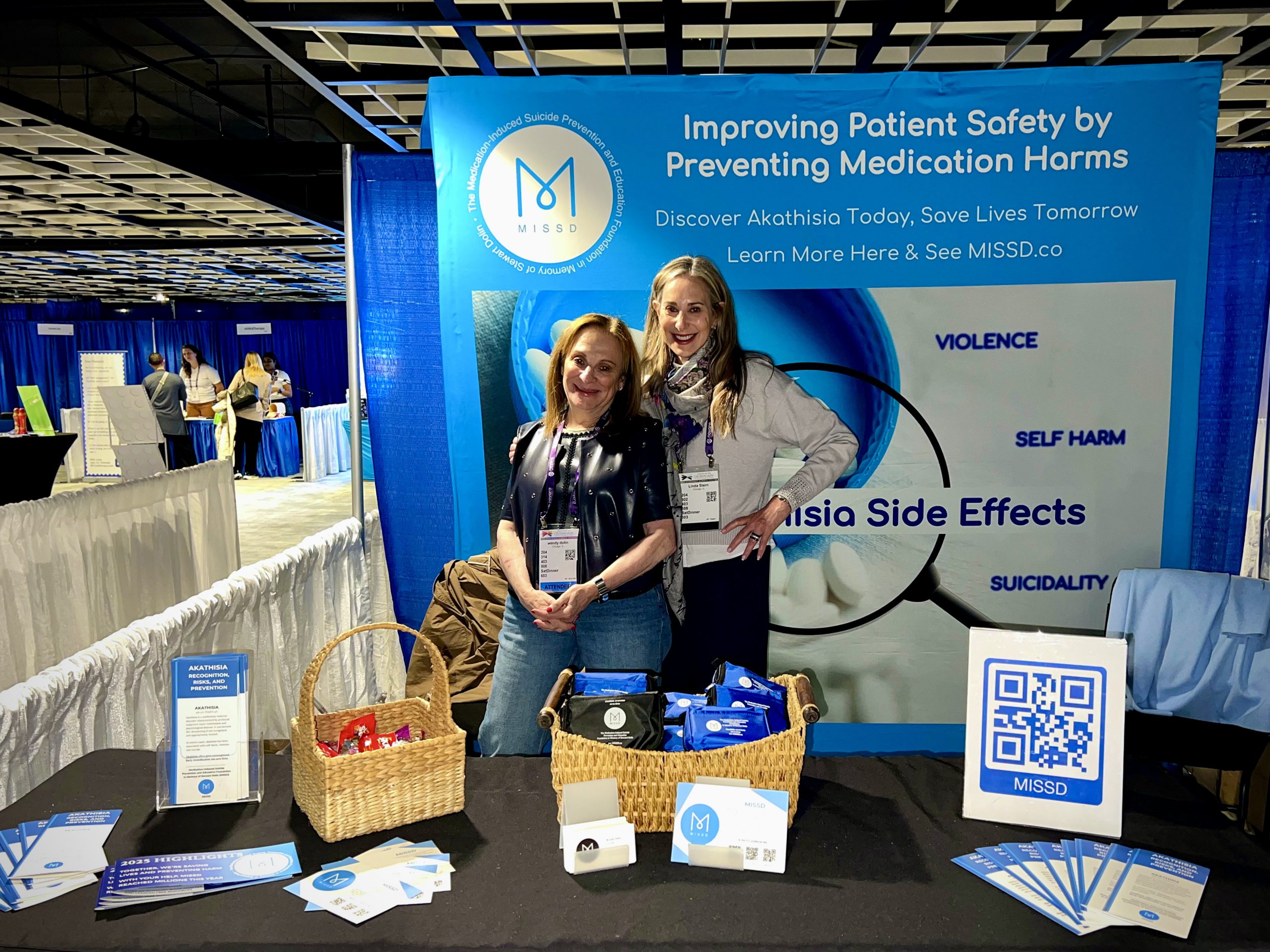
MISSD recently presented at the Washington, DC Psychotherapy Networker Symposium, delivering a Lunch & Learn session focused on the recognition and risks of akathisia.
Akathisia is a serious and often unrecognized medication-induced disorder associated with profound distress and potentially life-threatening outcomes. Early identification remains critical to improving patient safety. During the session, MISSD provided education on:
Recognizing akathisia in clinical and real-world settings
The importance of assessing symptoms in relation to medication changes
Strategies to support earlier identification and reduce misdiagnosis
In addition to the presentation, MISSD maintained an exhibit presence throughout the symposium, engaging with thousands of attending clinicians and distributing educational materials to expand awareness of medication-induced harm.
MISSD also highlighted its free accredited online courses, developed to support clinicians, patients, and caregivers in recognizing akathisia and improving safety outcomes.
Register for the courses at MISSD.LearnUpon.com
MISSD continues its national and international efforts to advance recognition, education, and prevention of medication-induced harm that can cause self-harm, violence, and suicide.
Kristina Kaiser (l) and Wendy Dolin discuss adverse medication effects that can cause psychiatric symptoms at the Psychotherapy Networker Symposium in Washington, D.C.
MISSD founder, Wendy Dolin, and therapist Dr. Linda Stern prepare to greet symposium attendees and share MISSD’s educational resources.
The U.S. FDA has issued a warning letter to Novo Nordisk citing incomplete reporting of postmarketing adverse events associated with semaglutide (Ozempic, Wegovy), including serious outcomes such as deaths and a suicide.
Use a trusted support person when starting or changing medications
MISSD supports informed decision-making, transparency, and education to improve patient safety. Take our free courses and see our educational resources available via the “Resources” link at the top of our website.
Research from Queen’s University Belfast, reported by The Mirror, analyzed more than 14,000 dementia cases in Northern Ireland and found antidepressant use associated with a slight increase in mortality risk. Anti-anxiety medications showed a stronger association.
The medications mentioned include commonly prescribed SSRIs such as sertraline, citalopram, and fluoxetine.
While these medications help many patients, the findings underscore the importance of careful prescribing and regular medication reviews, particularly among vulnerable populations.
Adverse reactions such as akathisia—a medication-induced disorder characterized by profound subjective inner restlessness and psychological distress—can be overlooked and misattributed to underlying illness.
MISSD continues to advocate for greater awareness of medication-induced akathisia and informed prescribing practices. Learn more through MISSD’s free online courses. Enroll at MISSD.LearnUpon.
A recent opinion piece in Psychiatric Times suggests that concerns about the “toxic” effects of psychiatric medications are often overstated.
At MISSD, we recognize that psychiatric medications can help many people. At the same time, discussions about medication safety should not overlook well-documented adverse effects such as akathisia—a medication-induced disorder that has been linked to self-harm, violence and suicide.
Because akathisia is frequently misdiagnosed as worsening anxiety or depression, greater awareness, careful monitoring, and clearly communicated risk information remain essential for patient safety. Take our free courses at MISSD.LearnUpon.com to be safer and better informed.
Akathisia awareness and education reduces harm and saves lives.
The Royal Australian College of General Practitioners (RACGP) has published guidance on when psychotropic medications should be deprescribed — particularly when risks outweigh benefits,
Prescribing is not a one-time decision. It requires regular review, patient involvement, and adjustment when necessary. This is critical to preventing medication-induced harm.
Antidepressants, antipsychotics, and anti-anxiety medications can cause akathisia — and akathisia can precipitate out-of-character self harm, violence, and suicide.