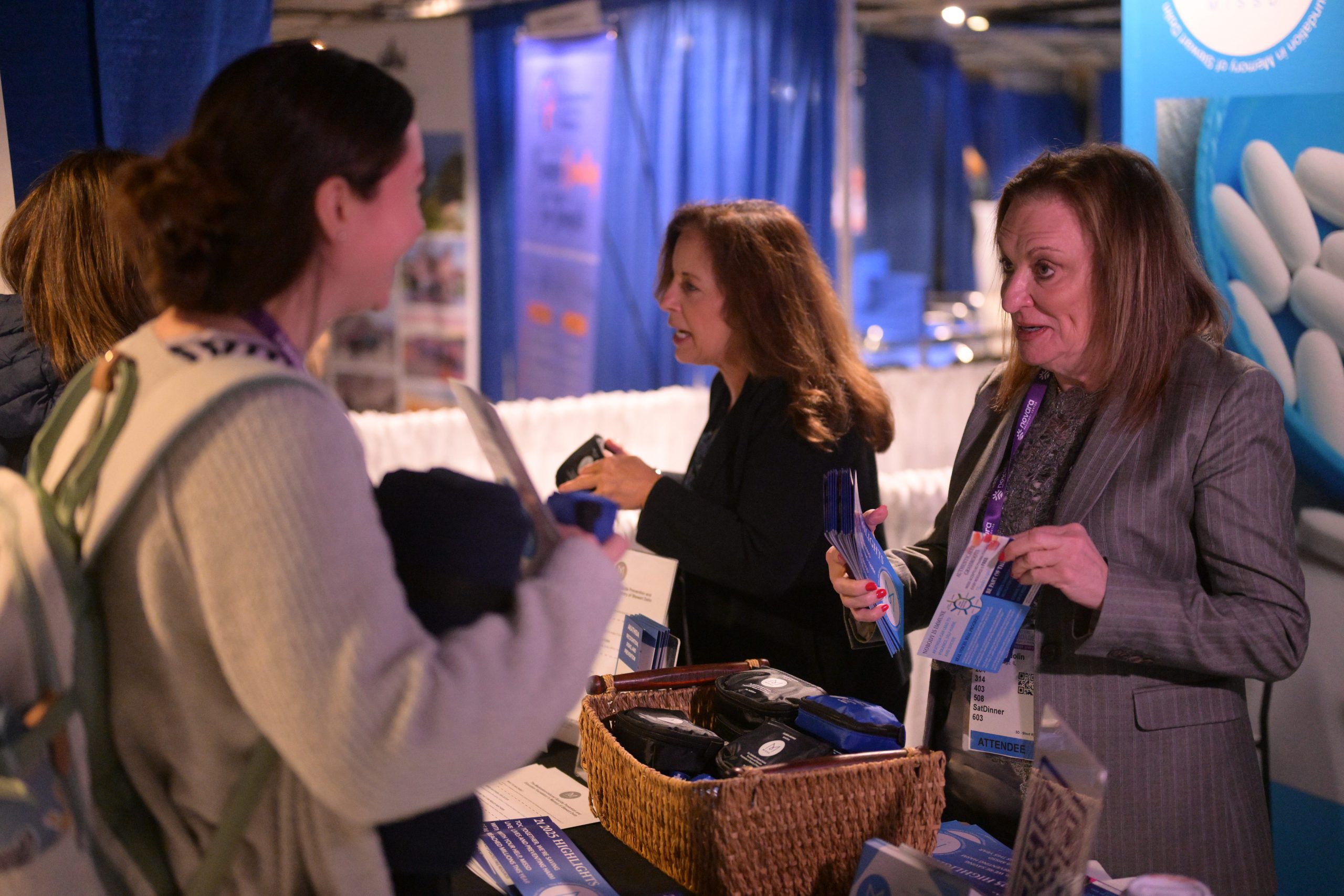
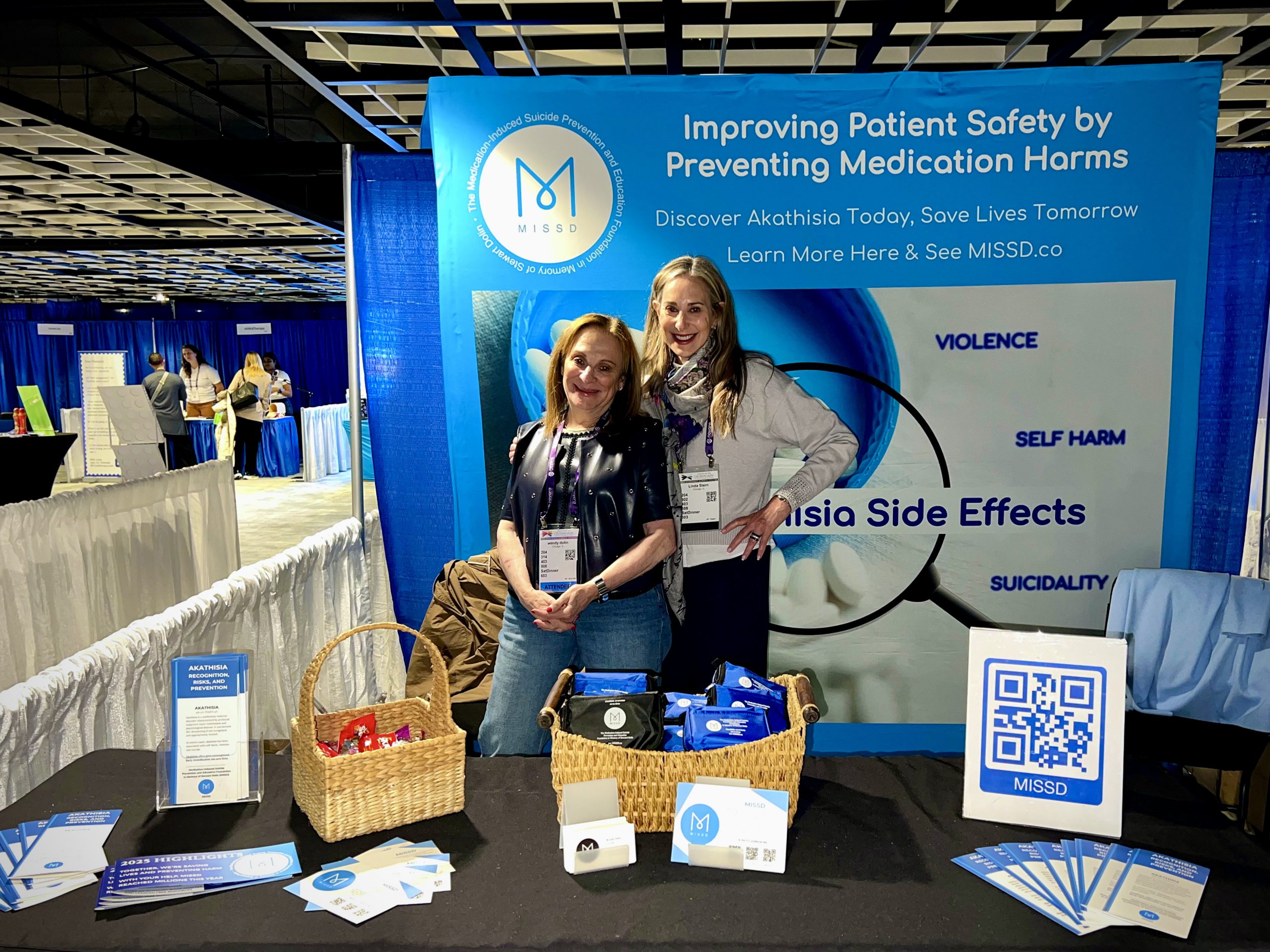
Natalie would celebrate her 32nd birthday today if not for misguided prescribing and mistreated akathisia. MISSD has worked hard for more than a decade to ensure others are better informed about critical drug risks vs possible benefit. Our Akathisia Stories podcasts shares the lived experiences of real people to help reduce medication harms.
Australia’s Therapeutic Goods Administration (TGA) has issued a new safety alert for GLP-1 drugs—including Ozempic, Wegovy, Saxenda, Trulicity, and Mounjaro—highlighting potential risks of new or worsening depression, suicidal thoughts, and unusual mood changes.
The TGA acknowledged a complex relationship between medication effects, mental health, and rapid weight loss. The agency has received more than 70 reports of suicidal ideation and additional reports of suicide attempts or deaths among users.
MISSD believes all patients deserve truthful, transparent information about the risks of medication-induced symptoms that can lead to self-harm or suicide. Early recognition and accurate diagnosis of medication-induced akathisia and other adverse effects can save lives.
Whether you support our mission with a tax-deductible gift, or by sharing our free resources with colleagues, family and friends, MISSD is grateful to have so many thoughtful people dedicated to saving lives and reducing avoidable harms. See our Constant Contact message and highlights here https://conta.cc/42p3aDG
New VA legislation encourages the use of AI tools to identify veterans at risk of suicide. For these systems to truly protect veterans–and everyone–MISSD believes they must include information about akathisia and medication-induced suicidality. Avoidable deaths can be prevented when the causes, risks and symptoms of akathisia are better understood, recognized and treated.
At Michigan’s State Capitol last week, veterans, clinicians, and caregivers united to advance safer mental health care. Together, we’re raising awareness of medication-induced harms including akathisia and suicide — because every life matters. https://www.youtube.com/watch?v=V38eplKFnTU
Today MISSD honors those who have served as we continue our mission to prevent medication-induced harm and avoidable deaths. In our latest Akathisia Stories episode, veteran Derek Blumke from the Grunt Style Foundation, and MISSD founder, Wendy Dolin, share insights about the need for akathisia training, informed consent, and the current state of mental health care for veterans. Listening to those most affected is a critical step to creating positive change.
Today we honor veterans in action at the Michigan State Capitol with a collaborative event focused on reducing preventable medication harm. The training includes MISSD’s latest akathisia course, a screening of the documentary Medicating Normal, and a panel of experts, clinicians, and veterans whose voices call for safer care and accurate information about real drug risks.
Today there’s a new call for clinical trial participants regarding psychiatric meds and pregnancy. MISSD supports improved data collection and transparent communication to improve patient safety.
The trial may uncover important finidings given that research shows that when taken during pregnancy, SSRIS can be associated with an increased risk of congenital heart defects and that up to 30% of exposed newborns may experience withdrawal symptoms after birth. Accurate info can help parents, clinicians, and researchers make better-informed decisions.
A new study comparing depression pill side effects missed a key opportunity to address a misunderstood issue: SSRI withdrawal symptoms are not relapse.
When people stop or switch SSRIs and experience agitation, anxiety, electronic “brain zap” sensations, and/or severe restlessness, these symptoms can signal withdrawal akathisia or SSRI withdrawal syndrome — not a return of depression.
Mislabeling withdrawal as relapse can lead to dangerous prescribing and unnecessary suffering.